
What Can Someone Do With Just Your Phone Number?
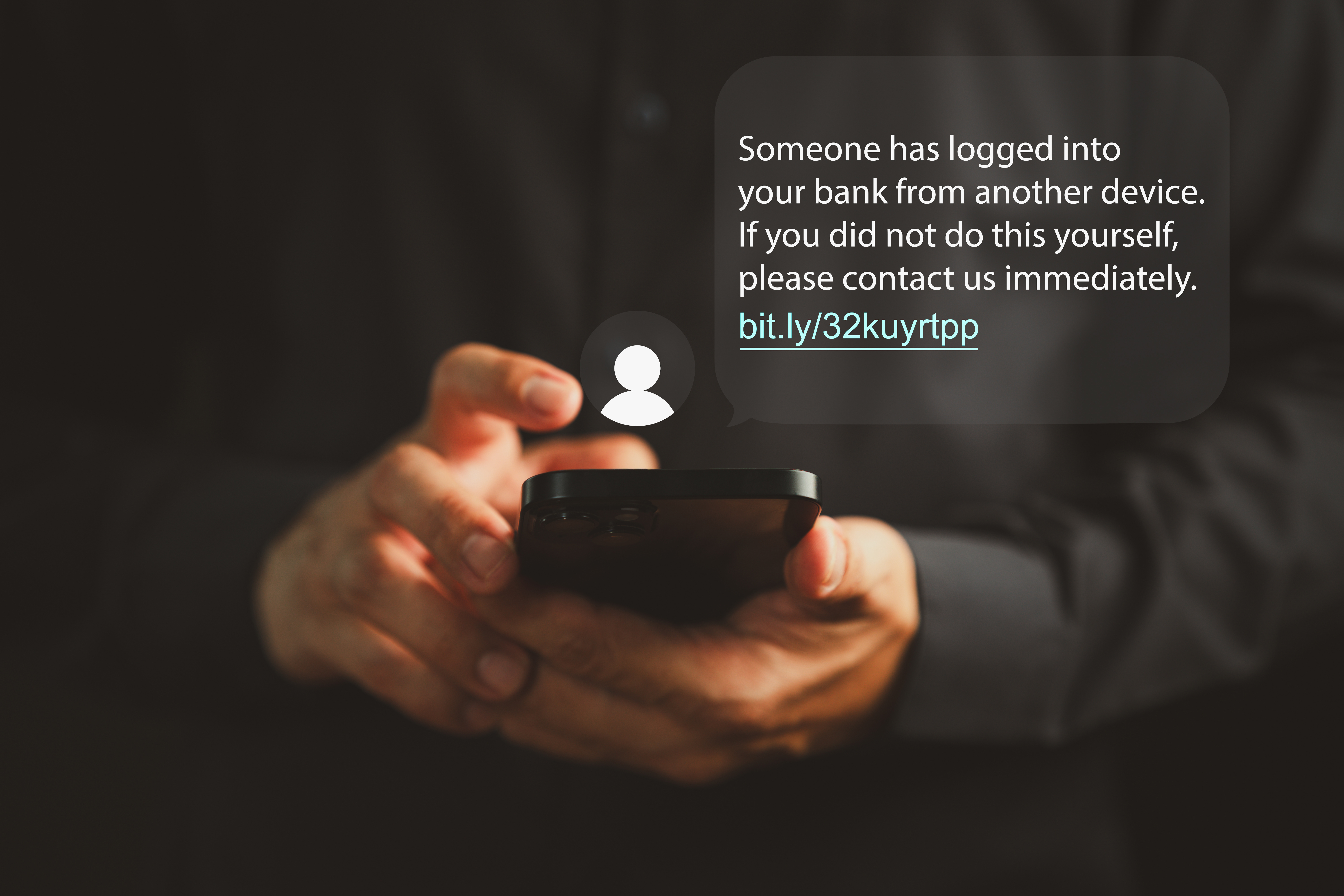
Most people assume a phone number is just a way to reach them. In the wrong hands, it is the starting point for taking over your email, your bank accounts, and your identity.
Your phone number appears in more places than you realize. Data broker sites, people-search profiles, old account registrations, loyalty programs. And because so many accounts use your phone number for identity verification and account recovery, it has become one of the most valuable pieces of personal information a scammer can get hold of.
Here is what they can actually do with it.
THE LEAST SERIOUS RISK: SPAM, PHISHING, AND SPOOFING
The most immediate use of your phone number is targeting. Robocall operators buy bulk lists from data brokers and dial automatically. Scammers use your number to craft personalized phishing texts that reference your name or recent activity to appear legitimate.
Your number can also be spoofed. A scammer can make calls appear to come from your number to people in your contact network, which is how family impersonation scams start. Someone who knows your relatives' names, which are also on people-search sites, calls them from what looks like your number claiming to be you in an emergency.
Disruptive and worth stopping, but not the most damaging risk. That comes next.
THE MOST SERIOUS RISK: SIM SWAPPING
SIM swapping is the single most damaging attack tied to your phone number. An attacker calls your mobile carrier, impersonates you using personal details pulled from data breaches and people-search sites, and convinces a representative to transfer your number to a SIM card they control.
The moment that succeeds, every text message comes to them. That includes every SMS-based two-factor authentication code for your email, your bank, your investment accounts, and every other account that uses your phone number for verification. They do not need your passwords. They just reset them.
The FBI's Internet Crime Complaint Center tracked $25.9 million in reported SIM swap losses in 2024 from 982 complaints. That figure reflects only cases that were reported and identified as SIM swaps. The actual losses are significantly higher because victims often report the downstream theft, not the SIM swap that enabled it.
Cifas, the UK's fraud prevention service, reported a 1,055 percent increase in unauthorized SIM swaps in 2024 compared to the year before. The same data availability problem driving it in the UK is present in the US.
WHY YOUR PHONE NUMBER IS MORE POWERFUL THAN IT USED TO BE
A phone number alone is not much. Combined with your name, address, date of birth, and email address, it is enough to impersonate you to a carrier representative. That combination is exactly what sits on data broker sites right now for most Americans.
This is why the risk tied to your phone number scales with how much other information is publicly available about you. Reducing your overall data exposure is the most effective way to reduce SIM swap risk, because the attack depends on the attacker being able to convincingly pretend to be you.
FOUR THINGS THAT MEANINGFULLY REDUCE YOUR RISK
Add a PIN or passcode to your carrier account
Every major US carrier supports an additional account PIN or passcode that must be provided before any changes can be made to your account, including number transfers. Most people never set one up. Call your carrier or log into your account settings and enable it. This single step significantly raises the bar for a SIM swap attempt.
Switch away from SMS-based two-factor authentication
If your email, banking, and other critical accounts use text message codes as your second factor, a successful SIM swap bypasses all of them. Switch to an authenticator app or a hardware security key for any account where this option exists. SMS-based two-factor authentication is better than nothing, but it is the weakest form of the protection.
Get your phone number off data broker sites
SIM swap attacks depend on the attacker having enough personal information to impersonate you. Your phone number, address, and date of birth sitting together on a people-search site is the research phase of the attack. Removing that information raises the effort required to pull it off. PrivacyHawk shows you where your number is currently listed and removes it from the sites that matter most. Removal is included on Premium and Platinum plans.
Be suspicious of any inbound contact about your account
Carriers and banks do not call you and ask you to verify your account details. If you receive an unexpected call or text about unusual account activity, hang up and contact the company directly using the number on their official website or on the back of your card. Scammers often call first to gather the last piece of information they need before contacting the carrier.
Your phone number is not just a contact detail. It is a recovery key to most of your digital life, and it is sitting in more places than most people know.


.svg)


.svg)