
Why Do I Keep Getting Calls About My Car Warranty?
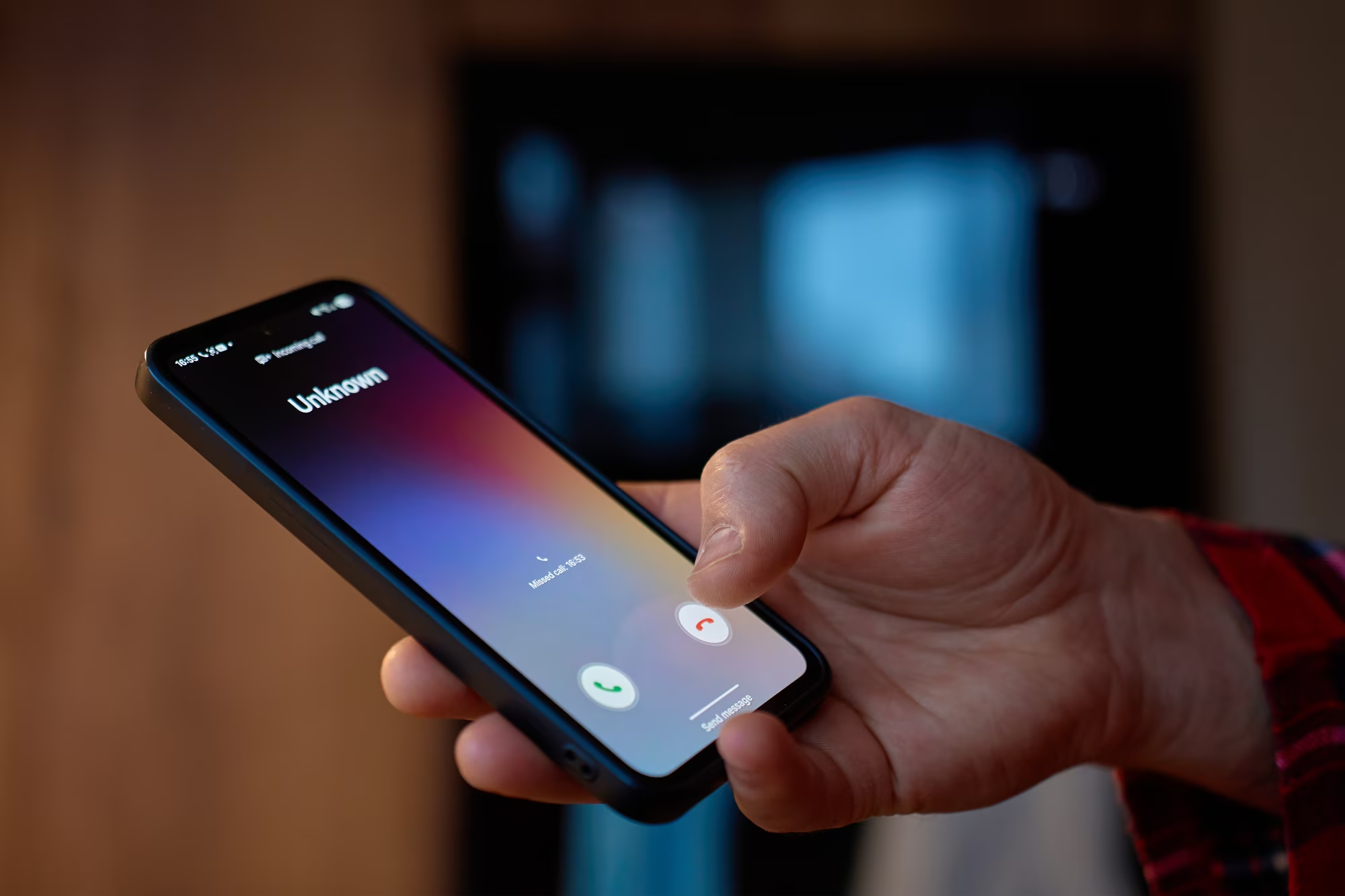
These calls are not random. Your number ended up on a list, and now it is being dialed automatically. Here is how that happened.
Americans received an average of 2.56 billion robocalls per month in 2025, a 20% increase over the previous year according to YouMail data cited by the U.S. PIRG Education Fund. Car warranties, health insurance, and loans are consistently among the most common types.
The FTC received more than 2.6 million Do Not Call complaints in fiscal year 2025. The calls keep coming anyway.
Understanding how your number got there is the first step to actually reducing them.
HOW YOUR NUMBER GOT ON THE LIST
Your phone number is sitting on data broker sites right now. Data brokers pull numbers from public records, loyalty programs, app permissions, and online purchases, among others, then compile them into contact lists sold to telemarketers and robocall operators.
Car warranty calls tend to come from operations that buy those bulk lists, pair them with vehicle registration data from public DMV records, and dial automatically with software that costs almost nothing to run. One single operation was found to have made more than 8 billion illegal car warranty calls before the FCC shut it down in 2022.
These calls are illegal under FTC rules. That has not stopped them.
WHY THE CALL KNOWS YOUR NAME OR CAR MODEL
Some calls feel specific. The recording mentions your actual make or model, or the caller uses your name. That detail came from the same public vehicle registration and data broker sources the operator purchased.
The FCC requires real telemarketers to display their actual phone number and company name on caller ID. Scam operations display neither. The number you see is almost always spoofed and belongs to someone else entirely.
Calling it back will not reach the people who called you. It will ring some unrelated person whose number got used.
WHY THE DO NOT CALL REGISTRY HAS NOT FIXED THIS
The registry works on legitimate telemarketers who comply with the law. It has no practical effect on operations already breaking the law to make the calls in the first place.
Registering is still worth doing because it reduces legal telemarketing. But only 44% of U.S. phone companies have fully installed the anti-robocall software mandated by Congress in 2019, according to U.S. PIRG's 2025 analysis of FCC filings. That gap is where most of these calls slip through.
FOUR THINGS THAT ACTUALLY HELP
1. Stop answering calls from numbers you do not recognize
Answering tells the dialing software your number is active and that someone picks up. That makes it more valuable. Letting unknown calls go to voicemail removes that signal. Real callers leave a message.
2. Never press any button during the call
Pressing 1 to opt out or 9 to be removed does the opposite of what it promises. It confirms your number is real and responsive, which puts you higher on the list. Hang up without pressing anything.
3. Get your number off data broker sites
Your number landing on new robocall lists after old ones get shut down comes from data broker sites refreshing their records. PrivacyHawk shows you which sites currently list your number and removes it from them automatically. Removal is included on both Premium and Platinum plans and free plans get up to 10 removals per month.
4. Block robocalls before they reach you
PrivacyHawk includes RoboHawk, which blocks robocalls, spam texts, and spoofed numbers in real time before they ever reach you. It is included on Premium and Platinum plans. Your carrier may also offer basic filtering in their app settings, but RoboHawk works across calls and texts at the same time.
The calls will not disappear overnight. But cutting off the data supply and removing the active-number signal will make your number progressively less useful to the people running these operations.


.svg)


.svg)