
Blog

What Happens to Your Data When You Use Apps and Websites?
Each time you buy something online, dozens and sometimes hundreds of companies access various pieces of your personal information. The purchase gets shared with your bank, the credit card processor like Visa or Mastercard, the retailer’s bank, the rewards program companies those banks use, email marketing software companies, and analytics databases.
What you buy often gets sold to advertisers and marketers to mine for research and to make new offers to you. A lot of that data ends up in the hands of data brokers who add you to various consumer marketing lists that they sell to all kinds of random businesses.
What are the risks of giving my personal information out?
If even one of these companies gets hacked, your personal information can end up on the dark web, which is where bad people can use it for identity theft, scams, spam, or hacking you or your family. The more places your personal information ends up in data breaches, the more likely these criminals will target you.
If you haven’t already, upgrade today to remove all the privacy risks found from your free scan within the app.
The One Privacy Action Everyone Should Do
In this edition, we’ll cover the most important thing everyone can do to protect their privacy.
The short answer: Delete yourself from data broker databases.
These companies sell your private information such as your cell phone, email, home address, family members, workplace and other information that scammers and hackers can use to target you.
PrivacyHawk automates this process for you, so you don’t have to spend weeks trying to do it yourself. And it continually monitors for new risks and automatically squashes them as soon as they are found.
If you haven’t already, upgrade today to remove all the privacy risks found from your free scan within the app.
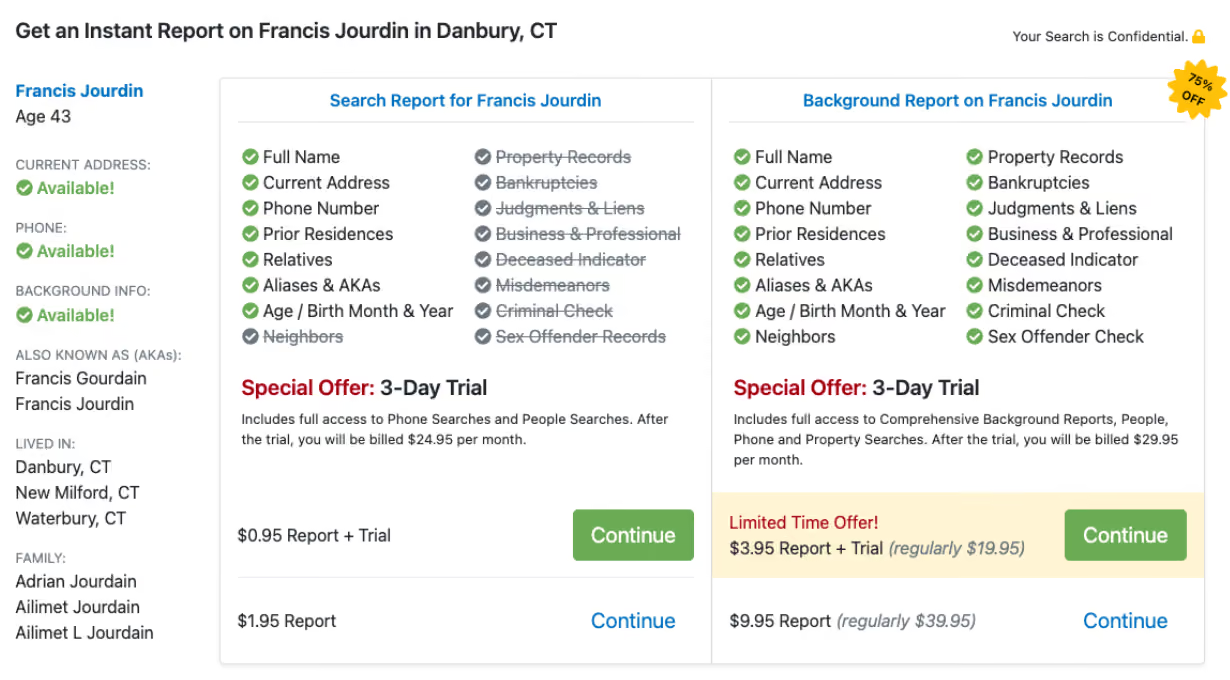
Sample report of what it looks like to buy your data from a data broker. You do not want to be in these databases.
Why Care About Privacy? Here’s Why...
Privacy is a fundamental human right. It’s why random people can’t just walk into your house and listen to your personal conversations or stare into your window at night.
The same applies to what we do online. It’s personal to each of us, and much of that information is private and sensitive.
They say: “If the product is free, YOU are the product.” What they really mean is that your private data is the product. That data is used to target you with ads and sold to many other unknown third parties. And they almost never tell you who they sold it to or what it’s being used for.
The Internet, arguably our greatest invention, has turned each of us into products to be sold to the highest bidder.
Our financial information can be used to steal money from us or family members. Our health information or behavioural information is often not something we want out there for anyone to see.
If we don’t protect our personal data, it can be used against us in the future for all kinds of evil deeds. Our private data makes us easy targets for phishing attacks, scams, spam, identity theft, and being hacked.
What is a Data Broker and Why Should You Care?
Data broker is a term for all of the middlemen trafficking our personal data that operate behind the scenes. You’ve never heard of any of them. But they make billions of dollars as brokers between companies with data on their users and marketers and spammers who want to buy that data. They are like fire hoses spraying our personal data around the internet to anyone who wants to buy it. They rarely ask any questions about what the buyers will do with the data.
If you haven’t already, upgrade today to remove all the privacy risks found from your free scan within the app.
People Search Sites Expose Your Private Info Publicly!
There is a subset of data brokers we call People Search sites. These are websites that anyone can go to to buy a profile or do a background check on anyone else. For almost everyone in the US, they sell your name, address, residence history, phone number, email, date of birth, family members, spouses, income, profession, where you work, all your social media profiles, criminal records, marriage licenses, bankruptcies, public records, marriage history, judgments and liens.
Below is a sample report that anyone can buy about you with all your private information:
The big risk here is that the data ends up in spam, scammer, or hacker databases. And the more of those you’re in, the more likely the data gets into the wrong hands.
To protect yourself, we recommend removing yourself from as many data brokers as possible.
PrivacyHawk automates this process for you, so you don’t have to spend weeks trying to do it yourself. And it continually monitors for new risks and automatically squashes them as soon as they are found.
If you haven’t already, upgrade today to remove all the privacy risks found from your free scan within the app.

26 Billion Records Exposed: Understanding the Scale of the MOAB (The Mother of All Breaches) Data Breach
Introduction
In January 2024, cybersecurity researchers uncovered the largest data breach till now, "Mother of All Breaches" (MOAB). This colossal breach comprises an astounding 12 terabytes of information, spanning over 26 billion records from numerous previous breaches.
The dataset includes user data from major platforms like LinkedIn, Weibo, Tencent, and many others, making it almost certainly the largest data leak ever discovered. This breach stands out not only for its size but for the vast amount of sensitive information it contains, posing unprecedented risks to individuals and organizations worldwide.
What Exactly is MOAB?
The MOAB breach is not merely a collection of old data but a meticulously compiled and reindexed dataset from thousands of leaks, breaches, and privately sold databases. Despite the presence of reindexed leaks from past breaches, the MOAB likely contains new, previously unpublished data, making it a highly valuable and dangerous compilation.
Researchers believe that the owner of the MOAB might be a malicious actor, a data broker, or a service working with large amounts of data, given the vested interest in storing such vast quantities of information. The dataset is extremely dangerous, as it can be leveraged for various attacks, including identity theft, sophisticated phishing schemes, targeted cyberattacks, and unauthorized access to personal and sensitive accounts.
Although duplicates are highly likely within the 26 billion records, the sheer volume and sensitivity of the data make it invaluable for malicious actors. The records in the MOAB breach are drawn from numerous high-profile platforms and services. The data is suspected to have been compiled by an Initial Access Broker (IAB) with the intent to profit on the dark web, where hackers can purchase it to launch various forms of attacks, including identity theft, credential compromise, and business email compromise.
Who is Affected by the MOAB (Mother of All Breaches)?
The MOAB breach has far-reaching implications, affecting a wide array of individuals and organizations. The leaked data includes information from numerous high-profile platforms and services. According to reports, the sites affected include:
Tencent with 1.4 billion records compromised
Weibo with 504 million records compromised
MySpace with 360 million records compromised
Twitter with 281 million records compromised
Deezer with 258 million records compromised
LinkedIn with 251 million records compromised
AdultFriendFinder with 220 million records
Zynga with 217 million records
Luxottica with 206 million records
Zing with 164 million records
Adobe with 153 million records compromised
MyFitnessPal with 151 million records
Canva with 143 million records compromised
JD.com with 142 million records
Badoo with 127 million records
Dropbox with 69 million records compromised
This list is not short, indicating the extensive reach of the breach. The compromised data spans major social media platforms, online services, and even government organizations from various countries, including the US, Brazil, Germany, and the Philippines. The breach also involves a significant number of smaller, less-known organizations, underscoring the widespread impact of this data leak.
The compromised data poses severe risks for identity theft, phishing schemes, and targeted cyberattacks, affecting millions, if not billions, of individuals worldwide. This widespread impact highlights the severity and far-reaching consequences of the MOAB breach.
For individuals, the risks are immediate and personal. The reuse of usernames and passwords across different platforms means that a single compromised password can lead to unauthorized access to multiple accounts. Users whose data has been included in the MOAB may become victims of spear-phishing attacks, where attackers use detailed personal information to craft highly convincing emails. Additionally, they may receive an increased volume of spam emails, further complicating their online safety.
Organizations, on the other hand, face the challenge of securing their systems and protecting their customers' data. The reputational damage from being associated with such a large-scale breach can be significant. The MOAB breach serves as a wake-up call for organizations to reevaluate their security measures and ensure they are prepared to handle such large-scale data threats.
What Can Hackers Do With This Data?
The data exposed in the MOAB breach is a treasure trove for cybercriminals, offering a wide array of opportunities for malicious activities. Here are some of the primary ways hackers can exploit this data:
Identity Theft
With access to personal identifiable information (PII), cybercriminals can easily commit identity theft. They can use stolen personal information to create fraudulent accounts, apply for credit, and conduct various financial scams.
Phishing Schemes
The detailed personal data allows hackers to craft highly convincing phishing emails, tricking individuals into revealing additional sensitive information or clicking on malicious links. These phishing attacks can lead to further data breaches and financial loss.
Credential-Stuffing Attacks
Many users reuse passwords across multiple platforms. Hackers can use the leaked username-password pairs to perform credential-stuffing attacks, gaining unauthorized access to various accounts, including email, social media, and banking services.
Targeted Cyberattacks
The aggregated dataset provides cybercriminals with the information needed to conduct targeted cyberattacks. They can focus on specific individuals or organizations, increasing the likelihood of a successful breach and maximizing the damage caused.
Unauthorized Access to Sensitive Accounts
With a vast amount of sensitive data, hackers can gain unauthorized access to personal and sensitive accounts. This can lead to financial loss, data manipulation, and further exposure to confidential information.
Spear-Phishing Attacks
Spear-phishing attacks are more sophisticated and targeted than regular phishing attacks. Using detailed personal information, hackers can create tailored emails that appear legitimate, increasing the chances of the victim falling for the scam.
The MOAB breach underscores the critical importance of robust cybersecurity measures. By understanding the potential risks and taking proactive steps to protect personal information, individuals and organizations can better defend against these malicious activities.
How to Protect Your Data from a Data Breach Like MOAB?
The discovery of the MOAB breach highlights the critical importance of taking immediate action to protect personal data. Here are some essential steps individuals can take to safeguard their information and mitigate the risks associated with this unprecedented data breach.
1. Change Passwords:
One of the first actions you should take after a breach like MOAB is to change the passwords of all accounts. This includes email, social media, banking, and online shopping accounts. It is crucial to create strong, unique passwords for each account and avoid reusing old passwords. Consider using a password manager to help generate and store strong, unique passwords securely.
2. Enable Multi-Factor Authentication (MFA):
Enable multi-factor authentication on all your online accounts wherever possible. MFA adds an extra layer of security by requiring additional verification steps, such as a code sent to your phone, when logging in to an account. This makes it significantly harder for cybercriminals to gain unauthorized access, even if they have your password.
3. Monitor Accounts:
Regularly review your accounts for any suspicious activity. Check your bank statements, credit card reports, and other financial accounts for unauthorized transactions or access attempts. Monitoring your credit reports from major bureaus like Equifax, Experian, and TransUnion is also helpful. To further minimize risk, consider freezing your credit reports until you are assured your data is safe.
4. Beware of Phishing Attempts:
Criminals might use the MOAB breach to launch phishing attacks using the exposed information. Be cautious of emails, texts, or calls asking for personal information or login credentials. Do not click on links or attachments from unknown senders, and verify the legitimacy of any communication before responding. Always use official channels to check your account information, and do not blindly trust email communications from financial organizations.
5. Update Software:
Ensure that all your devices, including computers, phones, and tablets, are updated with the latest security patches. Outdated software can have vulnerabilities that attackers can exploit. Keeping your software up to date is a fundamental step in maintaining the security of your devices.
6. Check Network Security:
If you manage a network, review and strengthen your network security measures. Consider implementing firewalls, intrusion detection systems, and user access controls. Regularly review your network for any vulnerabilities and address them promptly.
7. Use Apps like PrivacyHawk:
To protect your data from massive breaches like the MOAB, it's crucial to take safety measures. PrivacyHawk helps individuals avoid getting affected by data breaches like MOAB. It enables individuals to remove their sensitive information from unneeded and non-essential companies and data broker databases.
Moreover, PrivacyHawk offers a comprehensive ID theft protection suite that includes up to $1 million in ID theft insurance, live phone support, and dark web monitoring and alerts, ensuring you’re covered even if the worst happens. This holistic approach provides peace of mind and robust protection against the ever-present threats of data breaches.
Taking these steps can significantly improve your chances of protecting yourself from the fallout of the MOAB breach. Even if your information was compromised, these measures can help prevent the consequences from being disruptive. Staying informed and vigilant is key to maintaining your online security in the wake of such a significant data breach.
Conclusion
The MOAB breach serves as a stark reminder of the critical importance of robust cybersecurity measures. With over 26 billion records exposed, the scale and impact of this breach are unprecedented, affecting individuals and organizations worldwide. As we navigate the fallout from this massive data leak, it is crucial to take proactive steps to protect our personal information and ensure our online security.
For this, PrivacyHawk is an essential tool to help users reduce their digital footprint and protect their personal information. It prevents people from falling victim to data breaches and allows them to delete sensitive information from unnecessary and unwanted corporate and data broker databases. By leveraging PrivacyHawk's comprehensive suite of features, individuals can significantly lower their risk of being affected by future data breaches.
To sum up, we can say that the MOAB breach has highlighted the ever-present risks in our digital world and the need for continuous vigilance and proactive measures. By taking the necessary steps to protect your data and using tools like PrivacyHawk, you can navigate this challenging landscape with greater confidence and security.

Dell Customers at Risk After Massive Data Breach Exposes 49 Million Records
Introduction
In a surprising revelation, Dell Technologies has announced a massive data breach impacting an estimated 49 million customers. This breach, first reported by a threat actor on BreachForums, involves significant volumes of customer information potentially sold on the dark web.
While Dell reassures that no sensitive financial or personal data was compromised, the scope of the breach and the details of the data involved raise considerable privacy concerns. In this blog post, we will discuss the breach in detail and see what it means for Dell customers and data security practices.
How Did The Breach Occur?
The breach was first brought to light when a threat actor known as Menelik exploited a poorly secured API within Dell's system. Menelik managed to extract vast amounts of data by sending over 5,000 requests per minute to Dell's servers for nearly three weeks. Astonishingly, this high volume of data extraction went unnoticed by Dell's security systems during this period. It was not until Menelik alerted Dell to the vulnerability that the breach was acknowledged and addressed.
The data accessed included customer names, physical addresses, warranty plans, and Dell order information. However, it notably excluded sensitive financial details such as payment methods or credit card numbers. Menelik's posts on BreachForums also claimed that the data spanned purchases made from 2017 through 2024, indicating the extensive nature of the breach.
Impact of Dell’s Data Breach
Despite Dell's insistence that the breach only involved "non-critical" customer data, the implications could be far-reaching. The stolen data, which includes names, addresses, and specific details about purchased systems and warranty plans, could be exploited in several ways.
Cybersecurity experts are particularly concerned about the potential for sophisticated phishing scams. Criminals could use the detailed information to impersonate Dell or other trusted entities to deceive customers into revealing more sensitive information or even installing malware.
Moreover, the data could be used to conduct targeted attacks on businesses. Given that the breached information includes not only individual customer details but also data from enterprise clients, attackers could tailor their strategies to exploit specific vulnerabilities within companies.
Dell’s Response On the Breach
Following the disclosure of the data breach, Dell acted to reassure customers by stating that the accessed data was of a non-critical nature, specifically lacking any sensitive financial information. The company initiated a comprehensive outreach program, sending emails to potentially affected customers and outlining the nature of the data involved.
Dell's internal teams, supported by external cyber forensic experts, were mobilized to investigate and monitor the situation. They also implemented containment measures to prevent further unauthorized access.
Despite these efforts, some cybersecurity professionals criticized Dell's response, arguing that it underestimated the potential risks associated with the breach. The company's assertion that there was no significant risk to customers was met with scepticism, especially given the detailed nature of the exposed data and its potential for misuse in phishing and other targeted attacks.
For Dell customers, and indeed all consumers, this incident serves as a stark reminder of the persistent threats in our digital world. Even data that seems non-critical can be leveraged in ways that pose significant risks, such as identity theft or more sophisticated phishing schemes. Customers need to be active in monitoring their accounts and communications, particularly any unsolicited contacts that claim to be from Dell or related services.
Preventative Measures to Avoid Data Breaches
In light of this breach, here are several steps Dell customers and anyone concerned about data privacy can follow to keep their personal data safe:
Monitor and Secure Accounts:
Regularly review your account statements and sign up for credit monitoring if possible. Change passwords and secure accounts with two-factor authentication
Be Wary of Phishing Attempts:
Educate yourself about the tactics used in phishing attacks and be cautious with emails or communications that request personal information or direct you to suspicious websites.
Update and Patch Systems:
Ensure that all your systems are updated with the latest security patches. This can help protect against vulnerabilities that could be exploited by hackers.
Use Comprehensive Security Software:
Employ robust antivirus and anti-malware solutions that can detect and block malicious activities.
Stay Informed: Keep abreast of any new information about the breach and follow advice from reliable cybersecurity resources.
Plus, for those looking to enhance their data security and privacy, PrivacyHawk offers a valuable toolkit. PrivacyHawk not only helps users minimize their digital footprints by deleting unnecessary and potentially risky data from corporate and data broker databases but also provides proactive monitoring and alerts through our dark web monitoring capabilities.
In the event of identity theft, our ID theft protection suite provides up to $1M in ID theft insurance, supported by live phone support to guide users through the resolution process.
Conclusion
The Dell data breach has uncovered the evolving nature of cybersecurity threats and the need to have preventive measures on all fronts. While Dell's reassurances highlight the non-critical nature of the exposed data, the broader implications for personal and organizational security remain a concern. For those affected, taking immediate protective actions is crucial.
Moreover, leveraging services like PrivacyHawk can significantly enhance your ability to protect your personal information and reduce the possibility of being impacted by future breaches. You can download PrivacyHawk from Apple Apps Store or Google Play Store for free. Let’s take control of our digital privacy today and ensure we are not the next victims of such cyber incidents.

Why Deleting Your Social Media Accounts Isn't Enough to Erase Your Personal Information from the Internet?
Our lives are increasingly lived online today, and protecting our personal information has become a critical concern these days. While many people believe that deleting their social media accounts is the ultimate solution to erasing their digital footprint, the reality is far more complex.
In this blog post, we will delve into why simply deleting your social media accounts isn't enough to erase your personal information from the internet and what additional steps you need to take to safeguard your privacy.
The Illusion of Deletion
Deleting your social media accounts might seem like a straightforward way to remove your personal data from the internet, but the reality is more nuanced. Social media platforms often have complicated data retention policies that can keep your information stored long after you’ve deactivated or deleted your account. This means that even if you think you’ve removed your presence from these platforms, your data might still be accessible in various forms.
Difference Between Deactivation vs. Deletion
When you decide to leave a social media platform, you are often given two options: deactivation and deletion. Deactivating your account means your profile becomes invisible to other users, but the data remains on the platform’s servers.
This allows you to reactivate your account at any time and find everything as you left it. On the other hand, deletion is supposed to be a permanent removal of your profile and all associated data. However, even this "permanent" deletion is not always what it seems.
Residual Data:
Despite selecting the deletion option, many social media platforms retain your data for a certain period, sometimes indefinitely, citing reasons such as legal obligations or internal data policies. This data can include your posts, messages, photos, and personal details.
Platforms may also keep metadata, which can be just as revealing as the content itself. For example, metadata might include the time and location of your posts, providing insights into your daily habits and routines.
Third-Party Data Sharing and Apps
The problem of data retention becomes even more complex when third-party applications and data brokers are involved. These entities often have access to your social media data, and their retention policies are outside of your control. Even if you delete your social media account, the data shared with these third parties can still exist and be used in ways you might not expect.
When you use third-party apps connected to your social media accounts, such as games, quizzes, or productivity tools, these apps often gain access to your personal information. Even if you delete your social media account, the data you share with these third-party apps may still be retained by them. For instance, a popular social media quiz might keep your profile information, quiz results, and even your friends' data long after you have left the platform.
Role of Data Brokers
Data brokers are companies that collect and sell personal information gathered from a variety of sources, including social media. These brokers compile extensive profiles on individuals, which can include everything from your browsing history and purchase records to your social media interactions. Once your data is in the hands of these brokers, it can be extremely challenging to track and remove it.
Your Digital Footprints Beyond Social Media
Beyond social media platforms and third-party apps, your personal information can be found in various other places across the internet. Search engines, public records, and other online activities contribute to a digital footprint that persists independently of your social media presence. This extended digital footprint makes it even more challenging to completely erase your personal information from the web.
1 - Search Engines:
Search engines like Google cache web pages, which means they store copies of web pages, including your social media profiles, long after you've deleted them. This cached information can continue to appear in search results, revealing details you thought were erased. Even if the original content is removed, these cached versions can persist for a considerable time.
2 - Public Records:
Your personal information is often included in public records, such as property deeds, voter registrations, and court records, which are increasingly accessible online. These records can be indexed by search engines, making your information publicly available regardless of your social media presence. Additionally, data aggregators may collect and display this information on people's search websites, further complicating efforts to maintain privacy.
3 - Other Online Activities:
Beyond social media, consider your participation in forums, comment sections, and other digital platforms. Each interaction leaves a trace that contributes to your digital footprint. These interactions are often stored indefinitely, and while you might be able to delete individual posts, remnants can remain in the form of quotes, replies, or cached versions. Furthermore, websites that host these discussions may have their own data retention policies, over which you have little control.
How to Reduce Data Leakage / Exposure Online?
Given the complexities of completely erasing your digital footprint, it's crucial to adopt strategies to minimize and manage your data exposure. These steps involve both proactive measures to limit the amount of personal information you share and reactive steps to remove existing data from various platforms and databases.
1 - Data Minimization:
The first step in mitigating data exposure is practising data minimization. This means sharing only the bare minimum amount of personal information necessary when interacting online. Avoid filling out optional profile fields, refrain from oversharing personal details on social media, and be cautious about what you disclose in public forums and comment sections. The less information you provide, the smaller your digital footprint will be.
2 - Contacting Data Brokers:
Data brokers often collect and sell personal information without individuals' direct consent. However, many data brokers offer processes for individuals to request the removal of their data. To begin, identify major data brokers such as Acxiom, Experian, and CoreLogic. Visit their websites to find instructions on how to opt out of their databases. Be prepared to provide some personal information to verify your identity, and follow up as necessary to ensure your request is honored.
3 - Using Privacy Tools:
There are various privacy tools available that can help you protect your personal information. VPNs (Virtual Private Networks) can mask your IP address and encrypt your internet traffic, making it harder for third parties to track your online activities. Privacy-focused browsers and search engines, like Brave and DuckDuckGo, minimize data collection and tracking. Additionally, consider using tools like DeleteMe, which helps remove your information from data broker sites.
4 - Monitoring Online Presence:
Regularly monitoring your online presence is crucial for maintaining privacy. Set up Google Alerts for your name to be notified when new information about you appears online. Periodically search for your name in search engines to see what information is publicly accessible. If you find any inaccuracies or unwanted information, contact the website administrators to request its removal. Staying vigilant helps you catch and address privacy issues early.
Legal and Ethical Considerations
In addition to practical steps for minimizing data exposure, it's important to understand the legal and ethical landscape surrounding data privacy. Regulations like GDPR and CCPA provide significant protections, but knowing your rights and the ethical responsibilities of companies can further empower you to control your personal information.
Regulations and Laws:
Understanding data protection regulations is essential for safeguarding your personal information. The General Data Protection Regulation (GDPR) in the European Union and the California Consumer Privacy Act (CCPA) in the United States are two significant laws that grant individuals rights over their personal data. These regulations require companies to be transparent about data collection practices and give individuals the right to access, correct, and delete their data. Familiarize yourself with these laws and how they apply to you.
Rights of Individuals:
Under regulations like GDPR and CCPA, individuals have specific rights regarding their personal data. These rights include the right to be informed about data collection, the right to access personal data held by companies, the right to rectify incorrect data, the right to erasure (also known as the right to be forgotten), and the right to restrict processing. Knowing and exercising these rights can help you maintain control over your personal information.
Ethical Practices:
Companies have an ethical responsibility to handle personal data with care. This includes being transparent about data collection practices, obtaining explicit consent from individuals, and ensuring data security. As a consumer, you can support ethical companies by choosing to do business with those that prioritize data privacy. Additionally, advocating for stronger privacy protections and ethical data practices can contribute to a broader culture of respect for personal information.
Conclusion
To sum up, deleting your social media accounts is only the first step in protecting your personal information online. While it might seem like a comprehensive solution, the reality is that your digital footprint extends far beyond social media.
From residual data on social platforms to the vast network of third-party data brokers and search engine caches, your personal information can still be accessible long after you think it's been erased. To truly safeguard your privacy, you need to adopt a multifaceted approach that includes data minimization, actively managing your digital footprint, and using specialized privacy tools.
This is where PrivacyHawk can play an important role. PrivacyHawk is a privacy app designed to help you automatically control who uses and shares your personal data. It assists with opting out or deleting your data from thousands of companies, protecting your privacy and preventing the malicious use of your data.
By leveraging tools like PrivacyHawk, staying informed about data privacy laws, and adopting ethical practices, you can take significant steps toward securing your personal information in the digital age. Take control of your online presence today and protect your data from being misused or exposed.
The Future of Data Privacy: Predictions and Trends for the Next Decade
In a time when data breaches and privacy issues are regularly in the spotlight, it's more essential than ever to understand the future of data privacy. A surprising statistic reveals that data breaches exposed over 36 billion records in the first half of 2020 alone. This number is not just a wake-up call for businesses but also a clear indication that the landscape of data privacy is rapidly evolving.
As we look ahead to the next decade, it's crucial to understand the key trends and predictions that will shape how we protect and manage personal information. In this article, we'll explore the future of data privacy, examining the anticipated changes in regulations, the impact of technological advancements, and the shifting expectations of consumers regarding their data.
Evolution of Privacy Regulations
The landscape of privacy regulations is constantly changing, driven by increasing awareness of data privacy issues and the need to protect personal information in a digital age. Current regulations like the GDPR and CCPA have set important benchmarks, but the future holds even more comprehensive and stringent laws. Businesses need to stay ahead of these changes to ensure compliance and protect user data.
Current Landscape
The current landscape of data privacy regulations is defined by significant frameworks such as the General Data Protection Regulation (GDPR) in Europe and the California Consumer Privacy Act (CCPA) in the United States. These regulations set the standard for how personal data should be collected, stored, and used, providing individuals with greater control over their information. However, the enforcement and compliance complexities have shown that there is still much room for improvement and adaptation.
Predicted Changes For the Next Decade
Over the next decade, we can expect a proliferation of new data privacy laws across the globe. Countries that have yet to implement comprehensive data privacy regulations are likely to follow suit, creating a patchwork of laws that businesses must navigate.
Furthermore, existing regulations like the GDPR and CCPA are anticipated to undergo revisions to address emerging privacy challenges and technological advancements. These changes will likely include stricter consent requirements, enhanced rights for individuals, and increased penalties for non-compliance.
Possible Impact on Businesses
As privacy regulations evolve, businesses will need to adopt more robust data management practices to ensure compliance. This includes investing in advanced data protection technologies, conducting regular privacy audits, and maintaining transparent data handling practices.
Companies that fail to adapt may face significant fines and reputational damage. On the other hand, those who
\ prioritize data privacy will not only avoid penalties but also build trust with their customers, gaining a competitive edge in the marketplace.
Technological Advancements and Data Privacy
Technological advancements are transforming how data is collected, processed, and protected. While these innovations offer tremendous benefits, they also introduce new challenges for data privacy.
Understanding the impact of AI, blockchain, and quantum computing on data privacy is essential for businesses and individuals alike as they navigate the complex digital landscape. Let’s discuss these hot topics in technology in detail now.
1 - Artificial Intelligence
Artificial Intelligence (AI) is poised to revolutionize many industries, but it also presents unique challenges and opportunities for data privacy. AI systems rely on vast amounts of data to function effectively, raising concerns about how this data is collected, processed, and stored. On the one hand, AI can enhance data privacy by identifying and mitigating risks more quickly and accurately than human analysts.
For instance, AI-driven privacy management tools can automatically detect and respond to potential breaches or compliance issues. However, the misuse of AI could lead to more sophisticated methods of data exploitation and surveillance.
2 - Blockchain Technology
Blockchain technology offers a promising solution to many data privacy issues. By providing a decentralized and immutable ledger, blockchain can enhance the security and transparency of data transactions. This technology ensures that data cannot be altered without detection, making it an attractive option for secure data storage and sharing.
In the next decade, we expect to see wider adoption of blockchain for privacy-preserving applications, such as secure identity verification and encrypted data exchanges.
3 - Quantum Computing
Quantum computing, with its unparalleled processing power, has the potential to break current encryption methods, posing a significant threat to data privacy. As this technology matures, there will be an urgent need to develop quantum-resistant encryption algorithms to protect sensitive information.
While quantum computing presents challenges, it also offers opportunities for creating more secure encryption techniques that could redefine data protection standards.
The Role of Privacy-Enhancing Technologies (PETs)
Privacy-Enhancing Technologies (PETs) are tools and techniques designed to protect individual privacy by minimizing personal data usage and maximizing data security. Examples of PETs include differential privacy, homomorphic encryption, secure multi-party computation, and zero-knowledge proofs.
Differential privacy ensures that statistical analyses do not compromise individual data privacy, while homomorphic encryption allows computations on encrypted data without decrypting it, preserving confidentiality.
As data privacy concerns continue to grow, the adoption of PETs is expected to rise significantly. Organizations across various sectors, including healthcare, finance, and tech, are increasingly integrating PETs into their data management processes.
This trend is driven by the need to comply with stringent data privacy regulations and the desire to build consumer trust. Additionally, advancements in PETs are making these technologies more accessible and cost-effective for businesses of all sizes.
The benefits of PETs are multifaceted. They enable organizations to derive valuable insights from data without compromising individual privacy, thus striking a balance between data utility and privacy protection.
PETs also enhance data security, reducing the risk of breaches and unauthorized access. Furthermore, the use of PETs can boost consumer confidence, as individuals feel more secure knowing that their data is being handled responsibly and securely.
The Role of Cybersecurity in Data Privacy
The increasing complexity and frequency of cyber threats underscore the critical role of cybersecurity in safeguarding data privacy. Effective cybersecurity measures are essential to protect personal data from breaches and unauthorized access, ensuring that privacy is maintained in an increasingly digital world.
Interconnectedness
Data privacy and cybersecurity are inherently interconnected. Robust cybersecurity measures are essential to protect personal data from breaches, theft, and unauthorized access. As cyber threats become more sophisticated, the need for comprehensive cybersecurity strategies to safeguard data privacy is more critical than ever. Businesses must recognize that effective data privacy cannot be achieved without a strong cybersecurity foundation.
Future Threats
Emerging cybersecurity threats pose significant challenges to data privacy. These include advanced persistent threats (APTs), ransomware attacks, phishing schemes, and insider threats. The rise of the Internet of Things (IoT) and the increasing interconnectivity of devices also introduce new vulnerabilities.
In the next decade, we can expect cybercriminals to employ more advanced techniques, making it imperative for organizations to stay ahead of these threats.
Proactive Measures
To enhance their cybersecurity posture, businesses should adopt proactive measures such as regular security audits, employee training, and the implementation of advanced security technologies like AI-driven threat detection and response systems.
Encryption, multi-factor authentication, and zero-trust architecture are also crucial components of a robust cybersecurity strategy. By prioritizing cybersecurity, organizations can better protect their data and maintain the privacy of their users.
Future Of The Ethical Dimensions of Data Privacy
As data collection becomes more pervasive, the ethical implications of how personal information is gathered, used, and shared are coming to the forefront. Questions about consent, transparency, and the purpose of data usage are crucial.
Organizations must consider the moral responsibilities they hold when handling personal data and ensure that their practices align with ethical standards. In the next decade, ethical considerations will significantly influence data privacy policies and practices.
Businesses will increasingly integrate ethical frameworks into their data strategies, focusing on fairness, accountability, and respect for user privacy. We can expect more organizations to establish ethical review boards and adopt principles such as privacy by design to ensure that ethical considerations are embedded into their data management processes.
Conclusion
As we look towards the future of data privacy, it's clear that staying ahead of evolving regulations, technological advancements, and rising consumer expectations is essential. Businesses must adopt robust data protection measures, embrace privacy-enhancing technologies, and prioritize ethical considerations to navigate the complexities of the data privacy landscape.
One solution that can help both individuals and organizations manage their data privacy more effectively is PrivacyHawk. PrivacyHawk is a privacy app designed to control who uses and shares your personal data automatically.
PrivacyHawk finds out which companies possess your personal data, then guides you through the process of opting out of their databases so you can choose which companies you don't want to possess your personal information and then make those companies remove your information from their database automatically.
This way, PrivacyHawk significantly reduces the risk of social engineering hacks and data leaks, making it an excellent tool for enhancing data privacy and security. It also helps people to unsubscribe from unnecessary marketing emails in bulk.
PrivacyHawk can reduce the risk of data breaches that may affect your personal data and provides information about the risks your personal accounts may have regarding the illegal sharing of personal information. Currently available in the Apple App Store, PrivacyHawk can be installed for free on any mobile device using iOS.
By leveraging tools like PrivacyHawk, staying informed about emerging trends, and adopting proactive privacy practices, we can collectively work towards a future where data privacy is not just an expectation but a standard.

The Role of Artificial Intelligence in Data Collection and Privacy
Artificial Intelligence (AI) is increasingly becoming a cornerstone in various industries, revolutionizing how data is collected, analyzed, and utilized. Its integration into data practices presents a unique set of opportunities and challenges, particularly in the realm of privacy.
Let's delve into the nuanced role of AI in data collection and discuss its dual-edged impact on privacy. As we navigate through the intricacies of AI-enhanced data practices, we'll explore both the advancements it brings and the privacy concerns it raises, aiming to offer a balanced perspective on this technological paradox.
Understanding AI in the Context of Data Collection
AI refers to computer systems or machines designed to mimic human intelligence, learning, reasoning, and problem-solving, to perform tasks. In the realm of data collection, AI algorithms excel in their ability to process and analyze vast amounts of information rapidly and accurately.
These algorithms are adept at identifying patterns and trends within data, making them invaluable for tasks ranging from customer behaviour analysis to real-time monitoring of environmental data. The power of AI lies in its capacity to handle complex datasets that would be unmanageable for humans, transforming raw data into actionable insights.
The Benefits of AI in Data Collection
Artificial Intelligence (AI) has significantly improved the way data is collected, offering several benefits to businesses and organizations. This includes making data collection processes more efficient, enabling personalized experiences for users, and providing insights into future trends. Let's discuss it in detail:
1 - Efficiency and Accuracy:
One of the primary advantages of employing AI in data collection is the significant boost in efficiency and accuracy it provides. AI systems can process information from various sources simultaneously, reducing the time and resources required for data collection and analysis. This capability ensures that data-driven decisions are based on comprehensive and up-to-date information.
2 - Personalization:
AI's ability to analyze consumer data has revolutionized marketing strategies through personalized user experiences. By understanding individual preferences and behaviours, AI can tailor content, recommendations, and advertisements to match the unique interests of each user, enhancing customer engagement and satisfaction.
3 - Predictive Analysis:
AI's role extends beyond mere data collection to include predictive analytics, where it uses historical data to forecast future trends and behaviours. This aspect of AI is particularly beneficial for industries like finance, retail, and healthcare, where anticipating future patterns can lead to better strategic planning and decision-making.
By leveraging AI for data collection, businesses and organizations can not only streamline their operations but also gain deeper insights into their data, driving innovation and offering tailored services to their customers. However, as we further examine AI's impact on data practices, it's crucial to consider the privacy implications of these advanced technologies.
AI's Challenges to Privacy
The integration of AI in data collection brings to the forefront significant privacy concerns. The capability of AI to amass and analyze personal information can lead to invasive surveillance, where the boundary between public and private data becomes blurred.
Additionally, the collection of sensitive information without explicit consent raises ethical questions. Another critical issue is the bias inherent in AI algorithms, which can perpetuate discrimination and affect data integrity. Instances, where AI has led to privacy breaches, highlight the urgent need for stringent measures to safeguard personal data in the AI era.
Balancing AI and Privacy Concerns
Navigating the intersection of AI and privacy demands a careful balance. Ethical considerations and responsible use of AI in data collection are paramount. Existing regulations like the General Data Protection Regulation (GDPR) and the California Consumer Privacy Act (CCPA) provide a legal framework, but adherence and implementation are key.
Companies must commit to using AI in ways that prioritize user privacy, employing transparent data practices and providing users control over their data. This balance is crucial for maintaining trust and ensuring the benefits of AI do not come at the cost of individual privacy.
The Future of AI in Data Privacy
Looking ahead, AI has the potential to not only pose challenges to privacy but also to bolster data protection efforts. Innovations in AI could lead to more robust privacy by design technologies, making data anonymization more effective and enhancing security measures against data breaches.
As AI continues to evolve, its application in supporting and enhancing privacy protections offers a promising frontier. The development of AI-driven tools that prioritize ethical standards and privacy will be critical in shaping a future where technology and privacy coexist harmoniously.
Conclusion
The role of Artificial Intelligence in data collection and privacy is complex and multifaceted. While AI offers unprecedented opportunities for efficiency, personalization, and predictive analysis, it also presents significant privacy challenges.
Balancing these aspects requires ongoing vigilance, ethical considerations, and adherence to privacy regulations. As we move forward, the potential for AI to support privacy efforts presents an optimistic outlook, promising innovations that protect and enhance our digital lives.
In this landscape, PrivacyHawk emerges as a powerful tool for individuals and organizations alike, aiming to reduce the risk of social engineering hacks, data leaks, and privacy breaches. With PrivacyHawk, users can take control of their personal data, easily opting out and deleting their information from numerous companies. This proactive approach to privacy management not only safeguards against the misuse of data but also aligns with ethical data practices in an AI-driven world.
PrivacyHawk, available for free in the Apple App Store for iOS devices, represents a significant step towards empowering users to protect their privacy in the age of Artificial Intelligence. By leveraging such tools, you can navigate the challenges and embrace the benefits of AI with confidence and security.

Social Media Scams: Recognizing and Reporting Deceptive Content
Social media has become an integral part of our daily lives, connecting us with friends, family, and even brands. However, with this increased connectivity comes a higher risk of encountering scams and deceptive content. Scammers are constantly evolving their tactics to exploit unsuspecting users.
Imagine scrolling through your social media feed, and you come across a post from a friend sharing a too-good-to-be-true giveaway. You think, “What’s the harm in entering?” Little do you know, you’ve just stumbled upon a scam. In today’s digital age, social media scams are more prevalent than ever, with fraudsters devising increasingly sophisticated methods to deceive users.
Recognizing and reporting deceptive content on social media is crucial to protect yourself and others from falling victim to these scams. This guide will help you identify the most common types of social media scams, recognize the red flags, and take the necessary steps to report them.
In this blog post, we will discuss different types of social media scams, how to recognize deceptive content and practical steps for reporting scams. So, let’s begin.
What are Social Media Scams and How Do They Happen?
Social media scams are fraudulent schemes designed to deceive users by exploiting the connectivity and reach of social platforms. These scams can take many forms, each with a unique approach aimed at tricking individuals into giving away personal information, money, or access to their accounts.
Scammers create fake profiles, posts, and messages to trick people into giving away personal information, money, or access to their accounts. Being aware of the different types of scams and how they operate is the first step in protecting yourself and your data.
Common Types of Social Media Scams
Some common types of social media scams are:
1. Phishing:
This involves sending fake messages or posts that appear to be from reputable sources, such as banks or social media platforms, to steal personal information like usernames, passwords, and credit card details. These messages often contain links to fake websites that mimic legitimate ones.
2. Fake Giveaways and Contests:
Scammers create enticing posts about free giveaways or contests that require users to enter personal information or share the post to participate. The real aim is to collect data or spread the scam further.
3. Investment Scams:
Promising high returns on investments, these scams lure users into investing money in fake schemes or fraudulent cryptocurrencies. Victims often end up losing their money with no way to recover it.
4. Romance Scams:
Exploiting personal relationships, scammers create fake profiles and build online relationships with victims, eventually asking for money or financial help under various pretences.
How to Recognize Deceptive Content?
Recognizing deceptive content on social media is crucial to avoid falling victim to scams. Scammers often use clever tactics to disguise their intentions, making it essential to be vigilant and aware of the red flags that signal fraudulent activity.
Red Flags to Look Out For
To protect yourself from social media scams, it's essential to recognize the warning signs. Here are some common red flags:
1. Too Good to Be True Offers:
If a post promises something that seems overly generous or unrealistic, it’s likely a scam. For example, offers to win expensive gadgets or large sums of money for minimal effort should raise suspicion.
2. Urgency and Pressure:
Scammers often create a sense of urgency to push victims into quick decisions. Be wary of messages that demand immediate action, such as clicking a link or providing personal information right away.
3. Requests for Personal Information:
Legitimate companies rarely ask for sensitive information like passwords or credit card details through social media. Be cautious of any such requests.
4. Poor Grammar and Spelling:
Many scam messages and posts contain spelling mistakes and grammatical errors. While not all scams have these errors, their presence can be a strong indicator of fraudulent activity.
Examples of Deceptive Content
To illustrate these points, let’s look at a few examples of common scam tactics:
A fake giveaway post that asks users to like, share, and enter personal details to win a luxury car.
A phishing message claiming to be from your bank, warning you of suspicious activity and asking you to click a link to verify your account.
An investment opportunity promising guaranteed high returns with minimal risk, urging you to act fast before the offer expires.
A romance scam where the scammer, posing as a potential romantic interest, asks for money to cover an emergency or travel expenses.
By staying alert to these signs and examples, you can better protect yourself from falling victim to social media scams.
How do Scammers Operate?
Scammers are constantly refining their techniques to exploit the trust and emotions of social media users. By understanding the common tactics they use, you can be better prepared to recognize and avoid these fraudulent schemes. Awareness of how scammers manipulate and deceive is crucial for protecting your personal information and maintaining online security.
Most Famous Tactics Used by Scammers
Understanding how scammers operate can help you recognize and avoid their schemes. Here are some common tactics used by social media scammers:
1. Social Engineering:
Scammers manipulate individuals into divulging confidential information by exploiting human psychology. They might pose as a trusted friend or a reputable company, creating scenarios that prompt you to reveal sensitive data.
2. Spoofing Accounts:
Fraudsters create fake profiles that closely mimic those of real people or organizations. They might copy profile pictures, use similar usernames, and even replicate posts to appear legitimate. These spoofed accounts are used to gain your trust and lure you into their traps.
3. Malware Links:
Scammers often include links in their messages or posts that lead to malicious websites. Clicking on these links can result in malware being installed on your device, which can steal your information or take control of your accounts.
Moreover, scammers are experts at exploiting emotions. Here’s how they use psychological manipulation to trick their victims:
Fear:
By creating a sense of danger or urgency, such as claiming your account has been compromised, scammers push you to act quickly without thinking.
Greed:
Promises of easy money or valuable prizes tap into greed, making it tempting to take risky actions.
Sympathy:
Scammers might tell sob stories or pose as someone in desperate need, playing on your compassion to solicit financial help.
Reporting Deceptive Content /
Potential Scam
Reporting deceptive content is a critical step in combating social media scams. By taking action, you not only protect yourself but also help prevent others from becoming victims. Understanding how and why to report scams can make a significant difference in maintaining a safer online environment for everyone.
Why Reporting is Crucial?
Reporting scams isn't just about protecting yourself; it's about safeguarding others in the community. When you report deceptive content:
It Helps Prevent Further Victims:
Reporting scams helps social media platforms identify and remove fraudulent accounts, reducing the number of potential victims.
It Supports Enforcement Efforts:
Information from reports can assist authorities in tracking and prosecuting scammers.
It Raises Awareness:
Reporting scams and spreading the word can educate others about the tactics scammers use and how to avoid them.
Steps to Report Scams
Here’s how you can report scams on major social media platforms:
Facebook:
Go to the post or profile you want to report.
Click on the three dots in the top right corner.
Select “Find support or report post” or “Report profile.”
Follow the prompts to complete your report.
Twitter:
Click on the down arrow in the top right of the tweet.
Select “Report Tweet.”
Choose the reason for reporting and follow the instructions.
Instagram:
Tap the three dots on the top right of the post or profile.
Select “Report.”
Choose the appropriate category and follow the steps.
Other Platforms:
Most social media platforms have similar reporting mechanisms. Look for options like “Report,” “Flag,” or “Find support” in the settings or options menu.
Additionally, consider reporting scams to relevant authorities, such as the Federal Trade Commission (FTC) in the United States or local law enforcement agencies.
Protecting Yourself and Others
While recognizing and reporting scams is essential, taking proactive measures to protect yourself and others from these threats is equally important. By implementing best practices for online security, you can significantly reduce the risk of falling victim to social media scams and help create a safer digital environment for everyone. To protect yourself from social media scams, follow these best practices:
1. Strong Passwords and Two-Factor Authentication:
Use complex, unique passwords for each account and enable two-factor authentication (2FA) to add an extra layer of security.
2. Privacy Settings:
Regularly review and adjust your privacy settings to limit what information is visible to the public. This can help prevent scammers from gathering personal data.
2. Awareness and Education:
Stay informed about the latest scam tactics and share this knowledge with friends and family. The more aware you are, the better equipped you’ll be to recognize and avoid scams.
Conclusion
Social media scams are becoming increasingly sophisticated, but by understanding how scammers operate and learning to recognize deceptive content, you can protect yourself and others. In this critical time, PrivacyHawk is also here to support you in your fight against social media scams. Our app can significantly reduce your risk of falling victim to social engineering hacks and data leaks.
PrivacyHawk identifies the companies that hold your personal data, assists you in opting out of those companies, and automatically directs them to delete your personal data or opt out of sharing it with any third parties. This way it allows you to automatically control who uses and shares your personal data. Moreover, it also helps you easily unsubscribe from marketing emails. This proactive approach not only protects your privacy but also helps prevent the malicious use of your data.
By using PrivacyHawk, you can take control of your digital identity and ensure your personal information remains secure. You can download PrivacyHawk for free from the Apple App Store and Google Play Store anytime. Stay vigilant and always be on the lookout for signs of social media scams, and allow PrivacyHawk to monitor and protect your personal information online.

From Clicks to Cash: How Companies Monetize Your Digital Footprint
In today's interconnected world, your digital footprint grows with every click, like, and share. Did you know that in 2023, the global data market was valued at over $200 billion? This statistic highlights the immense value of the data we generate every day.
Your digital footprint, a trail of data left behind as you navigate the internet, is a goldmine for companies looking to turn your online behaviour into profit. In this post, we'll explore how companies collect your data and the methods they use to monetize it.
What is a Digital Footprint?
Your digital footprint is the collection of data traces you leave behind whenever you interact with the internet. These traces include everything from social media posts and online purchases to website visits and search engine queries. Understanding the types and value of your digital footprint is crucial in recognizing why companies are so eager to collect and use this data.
Why Your Data is Valuable Online?
Every piece of data you generate has value. Companies are particularly interested in personal data (such as your name, email address, and demographics), behavioural data (like your browsing history and app usage), and transactional data (including purchase history and payment information).
This data is valuable because it helps businesses understand consumer behaviour, tailor their marketing strategies, and ultimately drive sales. In the modern economy, data has become one of the most valuable assets for companies.
3 Major Methods of Data Collection
Companies employ a variety of methods to gather data from your digital footprint. These methods range from visible ones, like cookies, to more hidden tactics used by social media platforms and apps. Understanding these methods can help you take steps to protect your privacy.
1 - Cookies and Trackers
Cookies are small pieces of data stored on your device by websites you visit. They help websites remember information about you, such as your login details or preferences. However, cookies are also used to track your online activities. There are different types of trackers, including third-party trackers, which collect data across multiple sites to build a comprehensive profile of your online behaviour.
2 - Social Media and Apps
Social media platforms and mobile apps are major sources of data collection. When you sign up for a social media account or download an app, you often grant permissions that allow these platforms to access your contacts, location, and other personal information. This data is then used to deliver targeted ads and personalized content. Social media giants like Facebook and Instagram collect vast amounts of data, which they use to create detailed user profiles.
3 - E-commerce and Browsing Behavior
Online shopping websites and search engines also collect data on your browsing and purchasing habits. E-commerce sites track the products you view, add to your cart, and purchase. This data helps them recommend similar products and tailor your shopping experience. Search engines like Google use algorithms to analyze your search queries and browsing history, providing you with personalized search results and advertisements.
How Your Data Is Turned into Profit?
Once collected, your data becomes a valuable asset that companies use in various ways to generate profit. From targeted advertising to data brokerage, the methods used to monetize your digital footprint are both diverse and sophisticated, highlighting the economic power of personal data. Let’s discuss them in detail now:
1 - Targeted Advertising
Targeted advertising is one of the most common ways companies monetize your digital footprint. By analyzing the data collected from your online activities, companies can create personalized ads that are more likely to capture your interest.
For example, if you frequently search for running shoes, you might start seeing ads for athletic wear on your social media feeds or while browsing other websites. This targeted approach increases the likelihood of you clicking on the ad and making a purchase, thereby driving revenue for the company.
2 - Data Brokerage
Data brokerage is a less visible but equally significant method of monetizing your data. Data brokers collect data from various sources, including public records, social media, and online purchases, to compile comprehensive profiles of individuals. These profiles are then sold to other companies for marketing, credit scoring, and other purposes.
The data brokerage industry is vast, with companies like Acxiom and Experian leading the market. While this practice can help businesses better understand their target audience, it raises significant privacy concerns.
3 - Personalized Services and Recommendations
Another way companies use your data is by offering personalized services and recommendations. Streaming services like Netflix and Spotify analyze your viewing and listening habits to suggest content you might enjoy. Similarly, e-commerce sites like Amazon use your purchase history to recommend products.
These personalized experiences not only enhance user satisfaction but also increase the likelihood of repeat purchases, driving more revenue for the company. However, while personalization can be convenient, it also means that companies have access to detailed information about your preferences and behaviours.
The Dark Side of Data Monetization
While data monetization offers many benefits, it also poses significant risks to privacy and ethical standards. Privacy breaches and ethical dilemmas are common in the data economy, raising important questions about the balance between profit and user rights.
With the vast amount of data being collected, privacy concerns are inevitable. The more data companies collect, the greater the risk of that data being misused or falling into the wrong hands. Data breaches have become alarmingly common, exposing sensitive information and causing significant harm to individuals.
High-profile cases like the Facebook-Cambridge Analytica scandal have highlighted the potential for abuse, where personal data was used without consent to influence political outcomes. This has led to increased scrutiny and demand for stronger data protection measures.
Moreover, the ethical implications of data monetization are profound. Companies often operate in a grey area, balancing the desire for profit with the need to respect user privacy. Ethical dilemmas arise when companies collect more data than necessary, use data in ways users did not expect, or fail to secure the data properly.
Furthermore, there is also the question of consent, are users fully aware of how their data is being used and do they have a genuine choice? Companies have a responsibility to be transparent about their data practices and to prioritize the ethical handling of user information.
How to Protect Your Digital Footprint?
Protecting your digital footprint requires both individual action and corporate responsibility. By taking proactive steps and using privacy-focused tools, users can safeguard their personal information, while companies can implement ethical practices to ensure data protection.
Tips for Users
Protecting your digital footprint requires proactive steps to minimize the amount of personal information you share online. Here are some practical tips:
Use Strong, Unique Passwords:
Avoid using the same password across multiple sites. Use a password manager to generate and store strong passwords.
Enable Two-Factor Authentication (2FA):
Add an extra layer of security to your accounts by enabling 2FA where possible.
Be Cautious with Social Media:
Review your privacy settings and limit the amount of personal information you share publicly.
Clear Cookies and Browser History:
Regularly delete cookies and browsing history to reduce tracking.
Use Privacy-Focused Tools:
Utilize search engines, browsers, and email services that prioritize user privacy, such as DuckDuckGo and ProtonMail.
Role of Companies
Companies play a crucial role in protecting user data. They can implement ethical data practices by:
Transparency:
Clearly informing users about what data is collected and how it will be used.
Consent:
Obtaining explicit consent from users before collecting or sharing their data.
Data Minimization:
Collecting only the data necessary for their services
Secure Storage:
Implementing robust security measures to protect stored data.
Regular Audits:
Conducting regular audits to ensure compliance with data protection laws and internal policies.
Just so you know, the regulatory landscape for data privacy is also evolving rapidly. Laws such as the General Data Protection Regulation (GDPR) in Europe and the California Consumer Privacy Act (CCPA) in the United States have set new standards for data protection.
These regulations give individuals more control over their personal data and impose strict requirements on companies regarding data collection, storage, and usage. Compliance with these laws is not just a legal obligation but also a competitive advantage, as consumers are becoming more aware of their data rights and prefer companies that respect their privacy.
Conclusion
Nowadays, your online activities create a lot of data that companies are eager to profit from. Your digital identity is highly valuable and used for everything from targeted ads to data brokerage. While these practices can enhance user experiences and drive business profits, they also raise significant privacy and ethical concerns.
In this hour of need, PrivacyHawk is here to help you take control of your digital footprint. By enabling you to automatically manage who uses and shares your personal data, PrivacyHawk reduces the risk of social engineering hacks and data leaks. PrivacyHawk protects your privacy by finding out which companies have your personal data, helping you opt out of their databases, and ensuring they delete your information or stop sharing it with others.
PrivacyHawk helps you opt-out or delete your data from thousands of companies, safeguarding your information and preventing its malicious use. So, take charge of your digital footprint today with PrivacyHawk. PrivacyHawk is available in the Apple App Store and Google Play Store and can be installed for free on any mobile phone. Download PrivacyHawk, protect your privacy and enjoy the peace of mind that comes with knowing your personal information is secure.

The Intersection of AI, Privacy, and Digital Identity
Today the concepts of Artificial intelligence (AI) and privacy in the digital world have become increasingly intertwined and complex. As AI technologies advance at an unprecedented pace, they bring about profound benefits and efficiencies. However, these advancements also raise critical concerns regarding how personal information is collected, used, and protected.
In this blog post, we will delve into the intricate relationship between AI, privacy, and digital identity, unravelling the implications for both individuals and businesses in today's digital landscape. Join us as we navigate through this compelling intersection, shedding light on its challenges and opportunities. Let's begin with understanding the basics.
What is Artificial Intelligence?
Artificial Intelligence, or AI, refers to the simulation of human intelligence processes by machines, especially computer systems. These processes include learning (the acquisition of information and rules for using the information), reasoning (using rules to reach approximate or definite conclusions), and self-correction.
Within the context of privacy and digital identity, AI plays a pivotal role through its applications in machine learning algorithms, natural language processing, and predictive analytics, among others. By understanding AI's foundation, we can better grasp its impacts on our digital selves.
What is a Digital Identity?
Digital identity is referred to as the online presence of an individual, including personal identifying information, social media activity, and more. It's a digital footprint that represents a person in the virtual world, crafted through interactions, transactions, and behaviours online. In the age of AI, digital identities are not just static data points but dynamic entities that evolve, influenced by AI-driven personalization and decision-making processes.
What is Digital Privacy?
Digital privacy refers to the right to keep personal information confidential and control the collection, usage, and sharing of this information. With the advent of AI technologies, safeguarding privacy has become a complex challenge.
AI's capability to analyze vast datasets can lead to enhanced insights into individual behaviours and preferences, potentially threatening the sanctity of personal privacy. Understanding these privacy challenges is crucial for navigating the digital world responsibly.
Role of AI in Shaping Digital Identity
AI has become a cornerstone in delivering personalized online experiences, from curated social media feeds to tailored shopping recommendations. By analyzing user behaviour, preferences, and interactions, AI systems can predict and serve content that is most likely to engage individuals.
However, this level of personalization comes at a price, privacy. The data used to feed these AI algorithms include sensitive and personal information, raising concerns about data misuse and over-surveillance. Balancing the benefits of personalization with the imperative of privacy protection is a delicate dance for companies leveraging AI technologies.
The role of AI extends to enhancing security and integrity in digital identity verification processes, such as biometric authentication and document verification. These AI systems can significantly reduce fraud and ensure that digital interactions are secure.
Yet, the extensive data collection involved, including biometric data, poses significant privacy risks. It’s crucial to examine how such systems store, use, and protect sensitive personal information to prevent breaches and misuse.
Privacy Challenges at the Intersection
In the digital landscape, the intersection of artificial intelligence (AI), privacy, and digital identity presents significant challenges. AI’s capability to analyze and utilize personal data has profound implications for privacy and the way digital identities are managed and perceived.
While AI offers benefits such as personalized experiences and enhanced security, it also raises concerns about how personal information is used and protected. Let's see what are those:
1 - Data Collection and Consent
In the realm of AI, data is the lifeblood that powers algorithms. The collection of vast datasets enables AI systems to learn and make informed decisions. However, the methods of data collection often raise ethical questions, particularly concerning consent.
Users may not be fully aware of the extent of data collected or how it's used, leading to potential privacy violations. Transparent data collection practices and informed consent are paramount to fostering trust and respect for user privacy.
2 - Surveillance and Profiling
The capability of AI to conduct surveillance and create detailed profiles of individuals is unprecedented. While these practices can enhance security and targeted services, they also pave the way for invasive monitoring and a loss of anonymity.
The ethical use of AI in surveillance and profiling necessitates a balanced approach that safeguards individual privacy rights while harnessing the benefits of technology.
3 - Bias and Discrimination
AI algorithms are only as unbiased as the data they are trained on. Historical data biases can lead to AI systems perpetuating or even exacerbating discrimination. This bias can affect everything from job application screenings to loan approvals, impacting individuals’ digital identities and their access to services.
Addressing AI bias and ensuring algorithms make fair, privacy-conscious decisions is critical for equitable digital environments.
The Future of AI, Privacy, and Digital Identity
As we look to the future, emerging technologies such as blockchain and decentralized identity systems promise to revolutionize the way digital identities are managed and secured. These technologies offer a more secure and privacy-preserving mechanism for managing digital identities, providing users with greater control over their personal information.
AI, coupled with these technologies, could lead to more secure, efficient, and user-centric identity verification processes, reshaping the landscape of digital interactions. Furthermore, advancements in AI will continue to push the boundaries of personalization, security, and convenience.
However, these innovations also necessitate advancements in privacy-preserving technologies, such as federated learning and differential privacy, to ensure that the benefits of AI can be harnessed without compromising individual privacy.
Balancing Innovation with Ethical Considerations
The rapid evolution of AI and digital technologies presents a dual-edged sword, offering remarkable capabilities while raising ethical concerns. The future demands a delicate balance between leveraging technological advancements and adhering to ethical standards that prioritize privacy and individual rights.
This balance is not solely the responsibility of policymakers and corporations but also requires engagement from the general public to shape the norms and values that guide technology development. To achieve this equilibrium, ongoing dialogue between technologists, ethicists, regulators, and the public is essential.
By fostering an environment that values ethical considerations as much as innovation, we can ensure that advancements in AI and digital identity work for the benefit of all, safeguarding privacy and promoting inclusivity.
Conclusion
The intersection of AI, privacy, and digital identity presents both profound challenges and significant opportunities. As we've explored, AI technologies bring about unparalleled personalization and efficiency but also underscore the need for robust privacy protections.
In this complex domain, tools like PrivacyHawk emerge as essential allies for individuals and organizations alike. PrivacyHawk offers a proactive solution by enabling users to automatically control who uses and shares their personal data.
By facilitating the process of opting out or deleting your data from thousands of companies, PrivacyHawk not only protects your privacy but also significantly reduces the risk of social engineering hacks and data leaks. This makes it an invaluable asset not just for personal security but also as an employee perk.
PrivacyHawk is currently available in the Apple App Store and can be installed for free on any mobile device using iOS. Download it today and upgrade your online data security game.

Identity Theft and Senior Citizens: Protecting the Elderly
Identity theft is a growing concern in our digital age, and it disproportionately affects one of the most vulnerable segments of our society: senior citizens. With advancements in technology and the increasing digitization of financial and personal records, the elderly have become prime targets for identity thieves. Understanding the gravity of this issue is the first step towards safeguarding our seniors from such malicious acts.
Recent statistics are alarming. According to the Federal Trade Commission, individuals aged 60 and above are increasingly falling prey to identity theft schemes. In this blog post, we will shed light on the nuances of identity theft, its impact on the elderly, and practical ways to protect them.
What is Identity Theft, and Why Seniors Are Targeted These Days?
Identity theft occurs when someone unlawfully acquires and uses another person's personal information, such as their Social Security number, bank account details, or credit card information, often for financial gain.
The methods used by identity thieves are diverse and evolving. They range from traditional methods like stealing mail or dumpster diving to more sophisticated techniques such as phishing emails, skimming devices, and exploiting online databases.
Why Seniors Are Targeted?
Seniors are particularly vulnerable to identity theft for several reasons.
Firstly, they often have more savings, higher credit limits, and less debt than younger people, making them attractive targets for thieves.
Secondly, seniors may be less familiar with digital technology and online security practices, leaving them more exposed to digital forms of theft.
Finally, cognitive decline, common in ageing, can result in a reduced capacity to recognize fraud or phishing attempts.
The Impact of Identity Theft on Seniors
Identity theft can have far-reaching and devastating effects on seniors, impacting not just their finances but also their emotional well-being and overall quality of life. Let's dive into the various ways in which identity theft uniquely affects elderly victims.
1 - Financial Repercussions
The immediate consequence of identity theft is often financial loss. Seniors can lose their life savings, become burdened with unauthorized debt, or have their retirement funds drained. The financial damage can be devastating and sometimes irreversible for someone living on a fixed income.
2 - Emotional and Psychological Effects
Beyond financial loss, the emotional toll on seniors can be profound. Victims of identity theft often experience feelings of violation, embarrassment, and helplessness. This emotional stress can lead to anxiety, depression, and a general mistrust of others, which is particularly damaging for the elderly who often rely on social connections and trust.
3 - Long-Term Consequences
The long-term consequences of identity theft can stretch far beyond the initial incident. Seniors may face years of battling to restore their credit, regain control of their financial accounts, and rectify their public records. This ordeal can be overwhelming, especially when they have to navigate complex legal and financial systems.
Preventative Measures that Seniors Can Take Anytime
Taking preventive measures is crucial in shielding seniors from the risks of identity theft. Read below to understand the 3 most practical and effective strategies that seniors, along with their families and caregivers, can implement to safeguard their personal and financial information.
Personal Security Practices
To mitigate the risk of identity theft, seniors should adopt vigilant personal security practices. This includes shredding sensitive documents like bank statements and credit card offers, safeguarding social security numbers, and being wary of unsolicited requests for personal information. Seniors must understand that legitimate organizations will not ask for sensitive information over unsolicited calls or emails.
Digital Safety
In the digital realm, safety practices are equally important. Seniors should use strong, unique passwords for different online accounts and change them regularly. Installing antivirus software, using secure and reputable websites for financial transactions, and being cautious of email scams are key steps in digital safety. Additionally, educating them about the dangers of phishing emails and how to recognize them can be immensely beneficial.
Family and Caregiver Roles
Family members and caregivers play a vital role in helping seniors stay safe from identity theft. They can assist by monitoring bank and credit card statements for unusual activities, helping set up and manage secure online accounts, and educating them about the latest scams targeting seniors. Regularly checking in and maintaining open lines of communication can also help in identifying potential threats early.
How to Recognize the Initial Signs of Identity Theft?
Early detection of identity theft can significantly mitigate its impact. Here are some tell-tale signs of identity theft that seniors and their caregivers should be aware of, as well as the importance of regular monitoring:
1 - Warning Signs of Identity Theft
Being able to recognize the early signs of identity theft can help in taking swift action. Some warning signs include unexplained withdrawals from bank accounts, unfamiliar accounts or charges on credit reports, and not receiving expected bills or other mail which may indicate address manipulation.
2 - Regular Monitoring
Encouraging seniors to regularly review their credit reports can help in catching identity theft early. They are entitled to a free credit report from each of the three major credit bureaus once a year. This regular monitoring can be instrumental in identifying any unauthorized activities and initiating a response before the situation escalates.
Steps to Take in Case of Identity Theft
Knowing the appropriate actions to take immediately after suspecting identity theft can be crucial in minimizing damage. Here's a step-by-step guide on the actions to take, legal recourse, and recovery processes in the event of identity theft:
Immediate Actions
If a senior suspects identity theft, the first step is to contact their bank and credit card companies to alert them and possibly freeze their accounts. Filing a report with the Federal Trade Commission (FTC) through their IdentityTheft.gov website is also vital as it provides a recovery plan and helps in documenting the theft.
Legal Recourse and Reporting
In cases of identity theft, it's important to file a police report. This can be useful for legal protection and when dealing with creditors. Additionally, alerting the fraud departments of the three major credit bureaus (Equifax, Experian, and TransUnion) can help prevent further fraudulent activity.
Recovering from Identity Theft
Recovering from identity theft can be a lengthy process. It involves closing fraudulent accounts opened in the senior's name, correcting any erroneous information on credit reports, and continuously monitoring credit and accounts for future irregularities. Professional legal advice may also be necessary in more complex cases.
Conclusion
We've discussed in detail the alarming issue of identity theft targeting senior citizens, its profound impact, and the essential measures for prevention and response. Recognizing the signs of identity theft and knowing the steps to take if it occurs is crucial in safeguarding our elderly population.
In times of need, an effective tool like PrivacyHawk can be invaluable in the fight against identity theft. PrivacyHawk is an app designed to give users control over their personal data. It identifies companies that hold your personal information, assists in opting out or requesting deletion of this data from thousands of companies, and helps prevent the malicious use of your data.
By mass unsubscribing from marketing emails and providing security alerts about breaches, PrivacyHawk plays a pivotal role in enhancing digital security for seniors. This is especially beneficial for seniors who are navigating the complexities of the digital world and are more vulnerable to identity theft.
Share this information with family and friends, and consider tools like PrivacyHawk to enhance your digital safety measures. Staying informed, vigilant, and equipped with the right tools is our best defence against identity theft.

PrivacyHawk Consumer Privacy, Personal Data, & AI Sentiment 2023
Download the Report
In a representative study of American consumers, PrivacyHawk asked over 1000 people how they feel about various privacy and personal data topics. Key subjects included:
1. Artificial intelligence and how it might impact our future both positively and negativelyThe intersection of AI and our personal data
2. Privacy and personal data concerns and desires for regulations
3. Prevalence of people falling victim to scams and identity theft
4. How consumers trust in their financial institutions to not only protect their data, but also provide additional tools and services to help protect their privacy

Experian Privacy Policy Guide: Your Data Rights & Protection
Experian Privacy Policy: Complete Guide to Your Data Rights and Protection
Key Takeaways
- Experian maintains comprehensive privacy policies covering both consumer and business services, with dedicated data protection officers and ISO27001 security certification
- The company collects personal information including contact details, financial data, payment information, and usage data to provide credit monitoring, identity verification, and comparison services
- Consumers have extensive rights under GDPR, CCPA, and other privacy laws including the ability to access, correct, delete, or opt-out of data processing
- Data is shared with Experian group companies, service providers, fraud prevention agencies, and law enforcement when legally required or necessary for service delivery
- Experian operates globally with main databases in the UK but transfers data internationally under strict European data protection standards and safeguards
In today’s data-driven world, understanding how companies handle your personal information has never been more critical. As one of the world’s largest credit bureaus, Experian processes vast amounts of sensitive personal data daily, making their consumer data privacy policy a crucial document for millions of consumers worldwide. Experian's privacy practices are governed by laws such as the Fair Credit Reporting Act (FCRA) and the California Consumer Privacy Act (CCPA), ensuring compliance with stringent legal standards.
This comprehensive guide breaks down Experian’s privacy framework, explaining your rights as a data subject and how the company protects your personal information. Whether you’re using Experian services for credit monitoring, identity protection, or financial product comparisons, understanding these privacy practices empowers you to make informed decisions about your data.

Overview of Experian’s Privacy Framework
Experian Limited serves as the primary data controller for most consumer services, operating under the oversight of Experian plc, which trades on the London Stock Exchange under the ticker EXPN. The company’s corporate structure spans multiple continents, with headquarters in Dublin and major operational centers in Costa Mesa, California, and Nottingham, UK.
The foundation of Experian’s approach to protecting data rests on five global data principles that guide data management across all countries and business units. These principles emphasize transparency, security, and responsible use of personal information collected through various touchpoints. The company positions itself as a steward of personal data, recognizing both the social and economic benefits derived from responsible data use and the critical importance of maintaining consumer trust.
Experian maintains dedicated data protection officers across different regions to ensure compliance with rigorous data protection laws. For UK inquiries, consumers can contact the data protection officer directly at uk.dpo@experian.com. For privacy inquiries in the United States, you can write to the Chief Privacy Officer at Experian, 475 Anton Blvd., Costa Mesa, CA 92626. Additionally, you can submit a written request to Experian at PO Box 703, Allen, TX 75013 for privacy-related inquiries. This regional approach allows the company to address specific regulatory requirements while maintaining consistent global standards for data protection.
The company’s commitment to data protection extends beyond mere compliance, incorporating industry best practices and proactive security measures to safeguard Experian’s key assets – the personal information entrusted to them by millions of consumers worldwide. Experian uses a variety of the latest technologies and procedures to protect personal information from unauthorized access, destruction, use, or disclosure, ensuring the highest standards of data security.
Types of Information Collected by Experian
Personal and Contact Information
Experian collects comprehensive personal information to verify identities and provide services effectively. This includes full names, previous names, current and previous addresses, and dates of birth for identity verification purposes. Contact details such as phone numbers, email addresses, and communication preferences enable service delivery and customer support. Experian also collects contact information such as full name, residential address, date of birth, and email address to ensure accurate service provision.
The company also collects device information, IP addresses, and cookie data when users interact with their online services. This technical data helps ensure website functionality, prevent unauthorized access, and provide personalized user experiences. Additionally, Experian collects device information such as browser type and operating system to enhance service delivery. For business communications and investor relations, Experian may collect meeting data and corporate communication preferences. This includes information on meetings held with individuals, such as date, time, and subject, to support effective communication and service delivery.
Log in information and account credentials are securely stored to enable access to Experian account features and services. The company takes particular care with this sensitive personal information, implementing strong authentication measures and encryption protocols.
Financial and Credit Data
As a major credit bureau, Experian collects extensive credit information from various sources. This includes data from the Experian Credit Bureau and other credit reference agencies, creating comprehensive credit profiles for individuals. Bank account data flows through Open Banking services like Experian Boost, allowing consumers to improve their credit scores by demonstrating positive banking behaviors.
Salary and income details help assess eligibility for financial products and services offered through Experian’s comparison platforms. Credit scores, payment history, and credit utilization patterns form the core of monitoring services that alert consumers to changes in their credit status.
The company processes this financial data under strict legal grounds, balancing legitimate interests in providing valuable financial services with robust protections for sensitive information. All credit information handling complies with applicable law and industry-specific regulations governing credit reporting.
Payment and Transaction Information
To process payments for subscription services, Experian securely collects credit and debit card details alongside bank account information for direct debit processing. The company also handles digital wallet data from services like ApplePay, providing consumers with convenient payment options for their chosen services.
Transaction history and billing records support account management functions, helping consumers track their service usage and payment history. This information enables customer support teams to improve customer support experiences and resolve billing inquiries efficiently.
All payment processing adheres to industry security standards, with data automatically encrypted during transmission and storage. The company maintains comprehensive audit trails for transaction data to meet legal and regulatory requirements while protecting financial information from unauthorized access.
How Experian Uses Your Personal Information
Service Delivery and Account Management
Experian uses personal data primarily to provide services and manage customer accounts effectively. User authentication systems verify identities when individuals log into their accounts, ensuring secure access to sensitive information. The company processes personal information collected during registration to establish and maintain Experian services access.
Credit reports and monitoring alerts rely on comprehensive data analysis to deliver timely and accurate information to consumers. Identity verification processes use automated decision-making systems that match consumer-provided information against credit bureau records and other reliable data sources.
Customer support functions depend on access to account information to resolve inquiries, process complaints, and provide technical assistance. The company’s support teams use this data to improve customer support quality and ensure consistent service delivery across all touchpoints.
Product Development and Personalization
Experian leverages aggregated and anonymized data for analytics and reporting purposes, driving improvements to existing products and development of new services. This research helps the company understand consumer needs and market trends within each particular industry sector they serve.
Personalized recommendations for financial products and credit improvement strategies emerge from careful analysis of individual credit profiles and financial behaviors. These insights help consumers improve financial health through targeted advice and relevant product suggestions.
Artificial Intelligence and Machine Learning technologies enhance service features, enabling more sophisticated risk assessments and fraud detection capabilities. The company performs risk assessments using these advanced technologies while maintaining strict controls over data use and storage.
Legal and Regulatory Compliance
Fraud investigation, detection, and prevention activities represent critical uses of personal data across all Experian services. The company collaborates with fraud prevention agencies and other law enforcement agencies to combat financial crime and protect consumers from identity theft.
Legal obligations require Experian to maintain certain data for specified periods, supporting regulatory reporting requirements and audit functions. The company works closely with local and central authorities when legally required to do so, balancing consumer privacy with legitimate law enforcement needs.
Record keeping and audit trail maintenance ensure compliance with legal and regulatory requirements across multiple jurisdictions. This includes cooperation with investigations and providing information to other law enforcement agencies when necessary to prevent crime or protect public safety.
Information Sharing and Third-Party Disclosure
Experian shares personal data with various categories of organizations to deliver comprehensive services and meet legal obligations. The Experian group includes multiple subsidiaries and affiliates that work together to provide integrated financial services, requiring careful data sharing within this corporate structure.
Service providers, suppliers, and resellers assist in product delivery, requiring access to relevant data to perform their functions effectively. These partnerships enable Experian to offer comprehensive services while maintaining high standards for data protection through contractual agreements and oversight.
Fraud prevention agencies receive certain data to protect the broader financial system against unauthorized access and financial crime. This sharing supports industry-wide efforts to combat fraud while implementing appropriate safeguards for personal information.
Law enforcement agencies, regulators, and public bodies may receive information when legally required or necessary for public safety. Experian carefully evaluates such requests, providing only relevant data necessary to fulfill legitimate legal requirements.
Business partners and lenders receive limited information for comparison services and product introductions, enabling consumers to access competitive financial products. Social media platforms and advertising networks may receive data for marketing purposes, but only with appropriate user consent and opt-out mechanisms.
The company also shares data with third party websites through secure integration protocols, ensuring that personal information remains protected even when users access external services through Experian platforms.
Consumer Rights and Privacy Controls
Data Access and Correction Rights
Consumers have comprehensive rights to access personal information held by Experian across all business units and services. The company provides online portals and customer service channels where individuals can request personal information and review how it’s being used.
Correction rights allow consumers to update inaccurate or outdated personal details through account settings or by contacting customer support directly. For credit information, specific procedures ensure that corrections comply with credit reporting regulations while protecting the integrity of credit files.
Data portability rights enable consumers to obtain their information in structured formats for transfer to other service providers. This particularly applies to information processed through automated means, supporting consumer choice and competition in the marketplace.
Processing restriction rights allow consumers to limit how their data is used for specific purposes, providing granular control over data handling practices. These controls help consumers balance the benefits of Experian services with their privacy preferences.
Opt-Out and Deletion Options
U.S. consumers benefit from specific opt-out rights for the sale and targeted use of personal information under state privacy laws including the California Consumer Privacy Act. These rights extend beyond simple unsubscribe options, covering broader data sharing and processing activities.
Cookie consent withdrawal allows consumers to opt out of non-essential data collection and processing on Experian websites and online services. Users can modify these preferences through browser settings and account controls at any time.
Deletion rights enable consumers to request removal of personal information, subject to legal and contractual obligations that may require data retention. The company carefully evaluates deletion requests, balancing consumer preferences with legitimate business needs and legal requirements.
CreditLock features provide additional security by preventing unauthorized access to credit reports, giving consumers direct control over who can view their credit information. This service adds an extra layer of protection against identity theft and fraudulent credit applications.
State-Specific Privacy Rights
California residents enjoy enhanced protections under the California Consumer Privacy Act, including detailed rights to know how their information is used, delete personal data, and opt out of sale or sharing. Experian provides specific processes for California consumers to exercise these rights.
Additional state privacy laws create varying requirements across different jurisdictions, and Experian adapts its practices to comply with these evolving regulations. The company monitors regulatory developments to ensure ongoing compliance as new privacy laws take effect.
UK GDPR and European data protection rights provide comprehensive protections for UK and EU residents, including enhanced consent requirements and stricter limitations on data processing. These standards often exceed requirements in other jurisdictions, reflecting the European Economic Area’s rigorous approach to data protection.
Consumers can exercise their rights through multiple channels, including online requests, phone contact, or postal address submissions. The company provides clear guidance on which methods work best for different types of requests and jurisdictions.
Data Security and Protection Measures
Experian has successfully maintained compliance with ISO27001 certification for global security administration since 2010, demonstrating long-term commitment to data security best practices. This international standard covers comprehensive security management across all systems and storage facilities. Key areas of the Global Security Admin team are responsible for administering logical access to systems, ensuring robust protection of sensitive data.
The dedicated Cyber Security Investigations team holds Cyber Essentials Certification, providing specialized expertise in threat detection and response. This team works alongside the global security admin team to maintain comprehensive security controls and respond to emerging threats. Experian has a dedicated Cyber Security Investigations team that safeguards its key assets such as systems and storage facilities, ensuring robust protection against potential cyber threats.
SSL encryption protects sensitive data transmission between users and Experian services, while secure data storage protocols safeguard information at rest. The company implements multiple layers of security controls, from network protection to application-level safeguards.
Annual security audits conducted by external qualified security assessor organizations provide independent validation of security controls and compliance with industry standards. These assessments help identify improvement opportunities and ensure consistent security performance. Experian is annually audited by an External QSA (Qualified Security Assessor) from Trustwave and has maintained compliance since 2010. Experian also performs risk assessments against its critical and external-facing applications annually to proactively address potential vulnerabilities.
Physical, technical, and organizational safeguards prevent unauthorized access to personal information across all operational environments. Administering logical access through role-based controls ensures that only authorized personnel can access specific types of data based on their job requirements. Experian restricts access to personal data to those employees and third parties who need to know that information to provide products or services, maintaining strict control over data handling.
The comprehensive global security policy framework provides consistent standards and procedures across all regions and business units, ensuring that data protection measures meet the highest standards regardless of where information is processed or stored.

International Data Transfers and Global Operations
Experian operates with primary databases located in the UK while supporting global access for international operations. This architecture enables efficient service delivery while maintaining centralized security controls and compliance with European data protection standards.
Data transfers outside the European Economic Area occur under strict European data protection standards, ensuring that personal information receives equivalent protection regardless of destination country. Additional safeguards and protection measures apply to countries with less rigorous data protection laws.
The company complies with international privacy frameworks and cross-border data transfer regulations, including Standard Contractual Clauses and other mechanisms approved by European regulators. These legal instruments ensure that data transfers meet strict European requirements for protecting personal information.
Regional data protection officer contacts provide specialized support for different geographical areas, ensuring that local privacy requirements are properly addressed. This approach enables Experian to navigate complex international regulatory environments while maintaining consistent global standards.
Member organisation approved frameworks facilitate secure data sharing between Experian and its business partners, enabling comprehensive services while protecting personal information through contractual and technical safeguards.
Data Retention and Storage Policies
Personal data retention typically extends up to 3 years from collection or contract closure, though specific retention periods may vary based on the type of information and applicable legal requirements. This approach balances consumer privacy interests with legitimate business needs and legal obligations. Experian retains personal information only as long as necessary to provide services or comply with legal obligations, ensuring that data is not kept longer than required.
Aggregated data retention up to 5 years supports analytics and product development activities, enabling Experian to improve services and develop new offerings. This information undergoes anonymization processes to protect individual privacy while preserving analytical value.
Specific products and services may require different retention periods based on their particular industry sector requirements and regulatory obligations. For example, credit reporting data may be retained longer than marketing preferences due to statutory requirements.
Regular data review and disposal processes ensure that unnecessary information is securely deleted according to established schedules. These procedures help minimize data retention while ensuring that Experian meets all legal obligations and can continue to provide quality services.
Extended retention may apply for legal compliance, dispute resolution, and regulatory obligations, ensuring that Experian can respond to legitimate requests and fulfill its responsibilities under applicable law. The company carefully documents these extended retention periods to maintain transparency and accountability.
Date records and audit trails track retention decisions and disposal activities, providing clear documentation of data lifecycle management. This systematic approach ensures compliance with privacy regulations while supporting efficient data management practices.
Privacy Policy Updates and Communication
Experian conducts regular policy reviews and updates to reflect changes in data practices, regulatory requirements, and business operations. These reviews ensure that the privacy policy remains current and accurately represents actual data handling practices.
The notification process for significant changes includes multiple communication channels to ensure consumers are informed of important updates. Where appropriate ask for additional consent may be required for material changes that affect existing data processing activities.
Communication methods include email notifications, SMS messages, push notifications through mobile applications, and prominent website notices. The company uses these diverse channels to ensure that important privacy information reaches consumers through their preferred communication methods.
Previous policy versions remain available upon request, providing transparency about how privacy practices have evolved over time. This historical record helps consumers understand changes and make informed decisions about their continued use of Experian services.
Effective date tracking and version control systems maintain clear records of when specific privacy practices took effect, supporting both consumer understanding and regulatory compliance requirements.
Contact Information and Complaint Procedures
Data protection officers across different regions provide specialized support for privacy-related inquiries and concerns. The UK data protection officer can be reached at uk.dpo@experian.com for matters related to UK and European data protection requirements.
Customer support options include phone, email, live chat, and account settings modifications, giving consumers multiple ways to address privacy concerns and exercise their rights. To contact Experian for privacy matters, consumers can choose the method that works best for their situation and urgency level. For privacy inquiries, you can also contact Experian at 833-210-4615.
Escalation procedures connect consumers with the Information Commissioner’s Office and Financial Ombudsman Service when internal resolution processes don’t address their concerns. These external oversight bodies provide additional recourse for privacy and data protection complaints.
European Commission Online Dispute Resolution platforms serve EU residents who need assistance resolving cross-border privacy disputes. This mechanism provides accessible remedies for consumers dealing with international data protection issues.
Complete complaints handling procedures include specific response timeframes and escalation protocols, ensuring that consumer concerns receive prompt and thorough attention. The company tracks complaint resolution to identify improvement opportunities and prevent recurring issues.

Understanding the Experian privacy policy empowers consumers to make informed decisions about their personal data and privacy rights. The company’s comprehensive approach to data protection, combined with robust consumer rights and transparent communication, provides a framework for responsible data use in today’s digital economy. However, if you withdraw your consent for processing your personal information, it may affect Experian's ability to provide the services you want, highlighting the importance of informed consent in data handling.
Whether you’re monitoring your credit, protecting against identity theft, or exploring financial products, knowing how your data is collected, used, and protected helps you navigate Experian services with confidence. Regular review of your privacy settings and staying informed about policy updates ensures that your personal information receives the protection you expect and deserve.
For specific questions about your data or to exercise your privacy rights, don’t hesitate to contact experian through the appropriate channels outlined in their privacy policy. Taking an active role in managing your personal information helps protect your privacy while enabling you to benefit from valuable financial services and credit monitoring capabilities.
FAQ
How can I opt out of Experian’s marketing communications? You can opt out through your Experian account settings, by calling customer service, or clicking unsubscribe links in marketing emails. U.S. consumers also have specific opt-out rights for the sale and targeted use of personal information under state privacy laws.
Does opting out of Experian services affect my credit report or credit score? No, opting out of marketing communications or data sharing for non-credit purposes does not impact your credit reports maintained by Experian or your credit scores calculated from that information.
How long does Experian keep my personal information after I cancel my subscription? Experian typically retains personal data for up to 3 years after account closure, though some information may be kept longer to comply with legal obligations or resolve disputes. Former customers’ information may still be used as permitted by law.
Can I access my Experian data if I live outside the UK? Yes, Experian operates globally and provides access to personal information regardless of location. However, specific rights and procedures may vary based on local privacy laws. Contact the appropriate regional Data Protection Officer for assistance.
What happens to my data if Experian merges with another company? During business transactions like mergers or acquisitions, personal information may be transferred to the new entity. You would be notified of such changes and any impact on your privacy rights under the updated ownership structure.


.svg)


.svg)